
About Kali Foundation
Built for organisations doing a lot with not much.
Kali Foundation exists because not-for-profit organisations are being asked to do more, with less, for longer than most sectors have to manage, and AI, used carefully, can genuinely take some of that weight off.
We're not a software company, and we're not a generic AI consultancy that happens to take on not-for-profit clients. This is what we do.
We understand funding cycles, reporting obligations, board structures, and the reality of running an organisation with a small team and a big mandate.
Our approach starts with understanding your organisation before we talk about technology at all. That's not a slogan. It's the actual order we work in, every time.
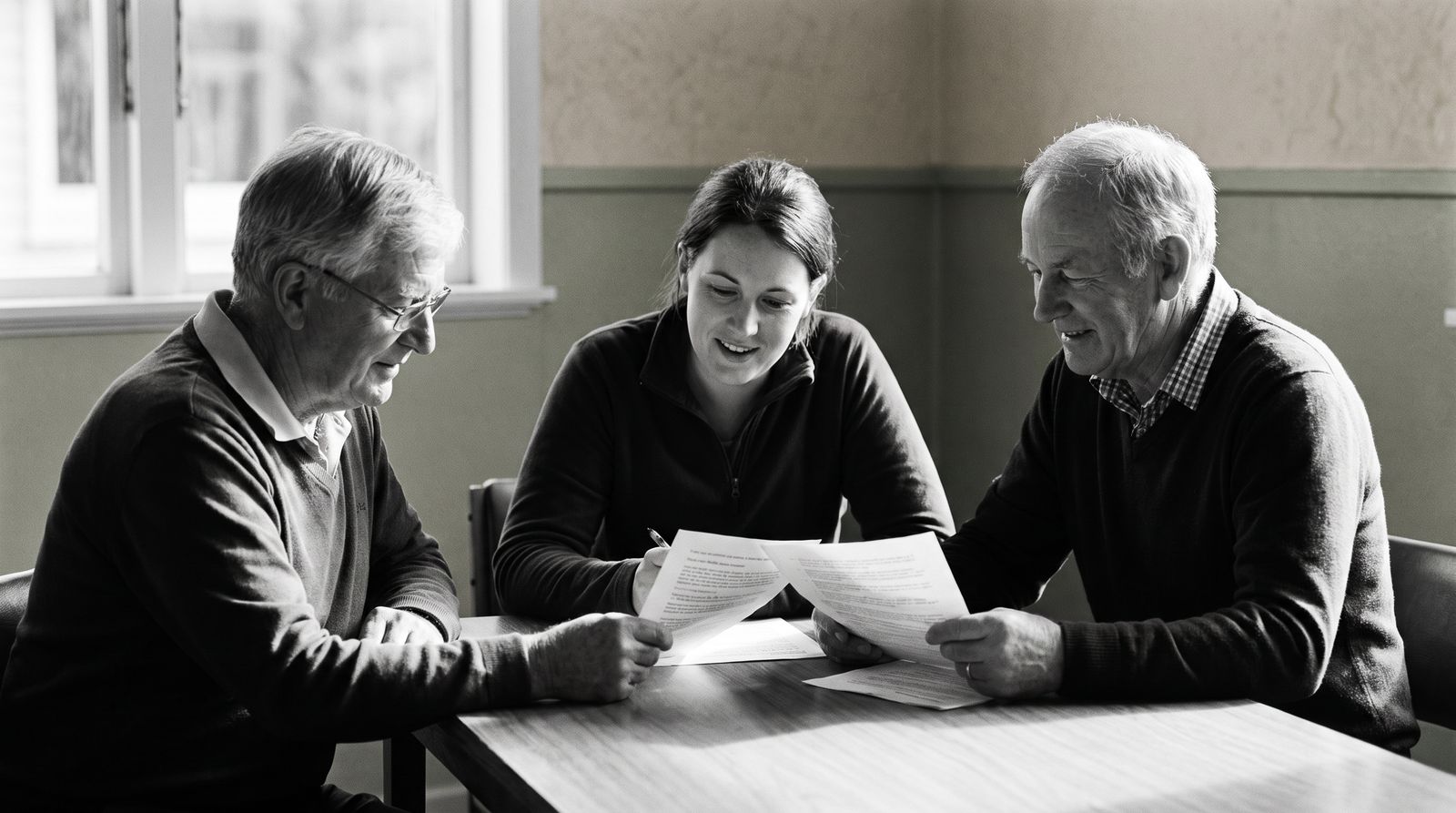
The person behind Kali Foundation

Before Kali Foundation, there was a youth council table, a civil defence centre, and a lot of board papers.
I'm Satyam. I'm a chartered accountant by training, and before that, I spent years in community roles: as a youth councillor, a researcher, a volunteer during Covid, a board member for students who needed someone in the room.
Kali Foundation didn't start with a piece of technology. It started with watching people carry more than they should have to, with less support than they deserved.
A story that started in community
I didn't set out to build anything to do with AI.
For a long time, I didn't think about AI at all. What I did think about was community work, because I kept ending up in it. As a youth councillor with the Hastings District Youth Council, I sat across the table from Hastings District Council and tried to make sure young people actually had a voice in decisions that affected them. Around the same time, I was a researcher at Massey University's SHORE & Whāriki Research Centre, looking at alcohol policy and licensing and what actually makes a community feel safer.
I supported the Chair and trustees at Waiohiki Community Trust with their cultural reporting. I sat on the board of the Eastern Institute of Technology Students' Association, and represented students nationally through the New Zealand Union of Students' Associations. I mentored new students at EIT. I worked with the Multicultural Association Hawke's Bay, supporting communities that don't always get asked what they need.
Then Covid hit, and a lot of that came together at once. I worked with Tihei Mauri Ora Emergency Response Centre during the Level 4 lockdown, helping get food and care parcels to people who needed them, alongside Hawke's Bay Civil Defence, the Office of Ethnic Communities and the Multicultural Association. In 2021, I received the Napier Pilot City Trust Unity Award for that work. The year before, I'd received a Valued Community Commitment Appreciation Certificate for supporting Napier's migrant community through the response.
None of that was about technology. It was about turning up, doing the unglamorous parts, and paying attention to who was carrying the load.

What I saw in the sector
What I noticed, again and again, was a pattern.
The people running these organisations cared enormously. Often more than the size of their team or their budget would suggest they could sustain. Volunteers were doing work that, in a bigger organisation, would need three or four paid staff. Trustees were signing off on things they hadn't had time to properly read, because there was no one else to do it. Reporting, to funders, to regulators, to boards, kept growing, and it was almost always the smallest, most stretched teams doing the most of it.
I saw boards who wanted to govern well but didn't feel confident they had the full picture. I saw admin quietly eating into the hours that should have gone to the actual mission. I saw good people getting tired in ways that had nothing to do with the work they'd signed up for, and everything to do with the paperwork around it.
What these organisations needed wasn't more complexity. It was practical help with the load they already had.
Why Kali Foundation began
Charities mostly weren't in the conversation.
By the time I was working as a chartered accountant and auditor, AI tools had become part of everyday business. Companies were adopting them fast: for admin, for reporting, for cutting down the small tasks that eat a working day.
Charities and community organisations mostly weren't in that conversation. Not because the tools couldn't help them. Because nobody was showing up with practical, careful, sector-literate guidance built for how these organisations actually work, with volunteer boards, tight budgets, and very little room for a mistake that costs trust.
That gap is why Kali Foundation exists. Not to bring charities into some AI-powered future. Just to make sure the organisations already doing the hardest, least-resourced work in our communities aren't left to figure this out alone, or left to a version of AI that was never built with them in mind.

What I believe
Seven things that don't move.
- AI should support people. It shouldn't replace them.
- Technology should serve the mission. The moment it distracts from the mission, it's not worth using.
- Charities deserve practical, responsible support, not a sales pitch dressed up as innovation.
- The best solutions start with listening, not with a product demo.
- Human judgement stays central. Always. A board, not an algorithm, makes the call.
- Capability matters more than dependency. I'd rather teach your team something they'll still use in two years than sell you something they'll be stuck with.
- The organisations that strengthen our communities deserve tools that actually strengthen them back.
Why this matters for charities
I've spent time on both sides of that gap.
Most AI providers understand the technology. Very few understand what it's like to sit in a board meeting explaining a funding shortfall, or to be the one volunteer who knows how the whole filing system actually works.
As an accountant and auditor, I understand governance, reporting obligations, audit requirements and the financial pressure mission-led organisations live with. As someone who's sat on boards, mentored students, done emergency response work and supported a trust's cultural reporting, I understand what it feels like from inside the room: the care, the stretched capacity, the fear of getting something wrong in public.
That's the difference with Kali Foundation. We're not translating generic AI advice for the charity sector. We're starting from inside it, and asking where practical, responsible AI can actually take some weight off, without ever asking your organisation to compromise the judgement, relationships or values it was built on.
People were carrying enormous responsibility for their communities with very little support behind them. Kali Foundation exists to take some of that weight off, never as a replacement for the people or the judgement that make these organisations what they are. Satyam Saha, Founder
Short bio
Satyam Saha is the founder of Kali Foundation and a chartered accountant and auditor working across New Zealand's charity and not-for-profit sector. Before Kali Foundation, his work sat almost entirely in community roles: as a youth councillor advising Hastings District Council, a researcher with Massey University's SHORE & Whāriki Research Centre, a board member and mentor at the Eastern Institute of Technology, and part of the Tihei Mauri Ora Emergency Response Centre's Covid-19 response in Hawke's Bay.
In 2021, he received the Napier Pilot City Trust Unity Award for his contribution to community life in Napier. Kali Foundation brings together his accounting and governance background with that community-sector experience, to help charities, schools and trusts use AI in a way that's practical, responsible, and built around the people already doing the work.
Meet the team
Satyam doesn't do this on his own.
A small team from accounting, finance, outreach and software engineering, all of whom would rather understand how your organisation actually runs than talk at you about technology.
Take some of that weight off.
Satyam Saha
Founder

Most organisations don't need a pitch.
Daniel Hawes
Co-founder

Seeing an idea actually help someone.
Mohammed Muzammil
Warm outreach & business development

Not something people feel left behind by.
Srikar Vuppala
Artificial intelligence & software engineer
Start a conversation.
We'd like to hear about your organisation before we talk about anything else.